







Search Results for: coffee-to-water-to-ice ratio
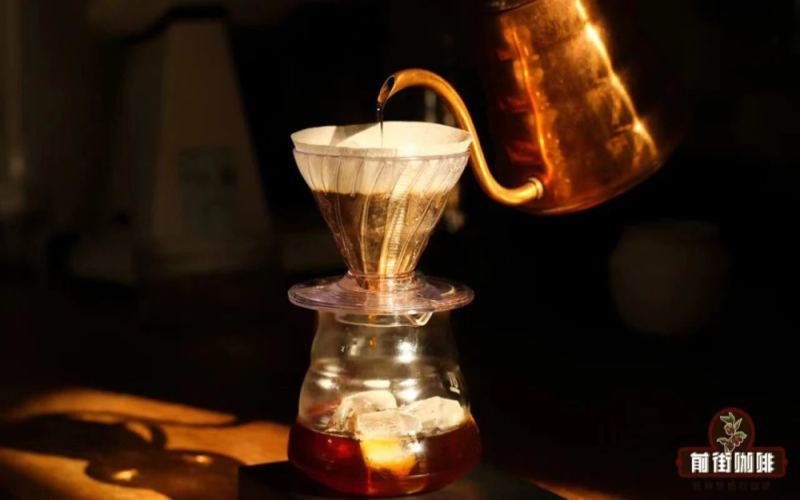
Ice Cube Dosage and Coffee-to-Water-to-Ice Ratio Tips for Iced Pour-Over Coffee: Looking at the Difference Between Aged Ice and Young Ice from Front Street Experiments
When making iced pour-over coffee in summer, the most agonizing decision is often not which beans to choose, but exactly how much ice to throw in. Too little ice and the coffee turns lukewarm; too much and it becomes thin as water. A slight deviation in ratio and it's easy to mess up. This article focuses on the two core functions of ice in iced pour-over—cooling and dilution—breaks down the reasonable ratio range among coffee grounds, water, and ice, and shares a comparative experiment about old ice versus young ice. The experiment uses 15 grams of Emerald Estate Green Label Geisha with a Hario V60 dripper, revealing through actual testing how freezing time affects ice hardness and melting speed. If you also want to consistently make a cup of iced pour-over at home with moderate strength and lasting chill, the following content is worth reading to the end. [more…]

From Grinding to 8 Hours of Refrigeration: A Complete Illustrated Guide to Making Cold Brew Coffee and a Detailed Explanation of the Coffee-to-Water-to-Ice Ratio
Following yesterday's sharing of the cold brew coffee method, today we turn our attention to the more challenging ice drip coffee. Compared to the simple soaking of cold brew, ice drip demands more attention to equipment, steps, and time investment, requiring more patience and meticulous operation. This article will use a combination of text and images to fully demonstrate the entire process of ice drip coffee, from equipment preparation, filter paper placement, coffee bed moistening, ice-water ratio, to drip rate control and refrigerated maturation, and will explain the 1:6:6 ratio of coffee powder to water to ice used this time and the Front Street recommended Honduras Sherry bean. Even without specialized ice drip filter paper, there is an alternative cutting solution. Follow the steps, and after a long wait, you can enjoy a cup of ice drip coffee with distinct layers. [more…]
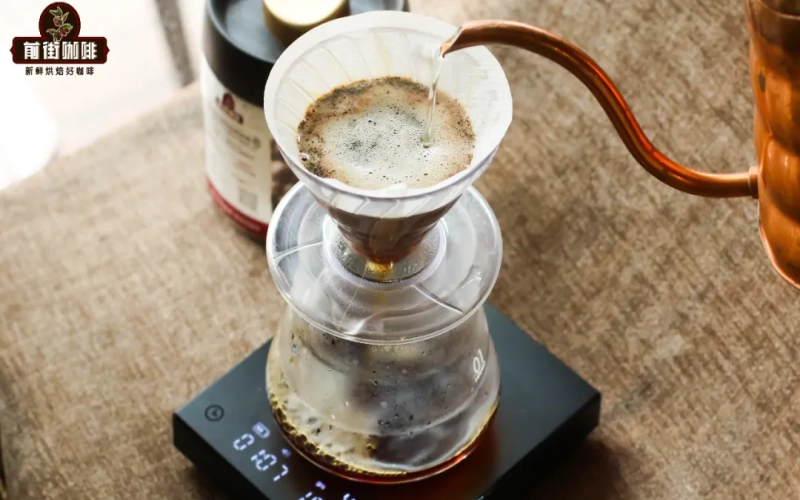
Is It Feasible to Add Ice Cubes Directly to Hot Pour-Over? Analyzing Iced Coffee Parameter Adjustments and Grind & Water Temperature Optimization
On a scorching summer day, when you crave iced coffee but don't want to give up the full flavor, many enthusiasts consider brewing hot coffee first and then adding ice to cool it down. While this method is feasible, it tends to make the coffee taste weak. This article uses a real test case of Front Street Coffee's Finca Diviso·Geisha to illustrate how the concentration drops from 1.49% to 1.09% before and after adding ice to a hot pour-over, as well as the noticeable decline in taste and flavor. At the same time, the article also offers adjustment ideas for iced pour-over: change the grind size from a 20-mesh sieve passing rate of 75%~80% to 80%~85%, change the coffee-to-water-to-ice ratio to 1:10:6, and keep 15g of coffee, 92°C water temperature, a three-stage pour, and a 2-minute extraction. This way, you can achieve a refreshing taste while retaining flavors such as grape, passion fruit, and apricot, presenting a full-bodied juicy mouthfeel. [more…]
Complete Iced Pour-Over Coffee Guide: Using Golden Mandheling as an Example to Analyze the Extraction Points for Sweet Aftertaste and Lingering Finish
On a scorching hot afternoon, a glass of iced pour-over is undoubtedly a refreshing pick-me-up. But when iced brewing is done with dark-roasted beans, the rapid cooling and excessive dilution often make it bitter and watery. This article takes Front Street PWN Golden Mandheling, the darkest roast, as an example to break down how to avoid smoky, burnt, and astringent flavors through low water temperature, a slow-flow filter, coarse grinding, and staged pouring, extracting the sweet aromas of chocolate, maple syrup, and nuts, and ultimately achieving an iced coffee that is creamy and smooth with a caramel and cedar finish. From bean selection and parameters to the five-pour rhythm and the 1:10:5 coffee-to-water-to-ice ratio, the steps are complete and suitable for recreating at home. [more…]
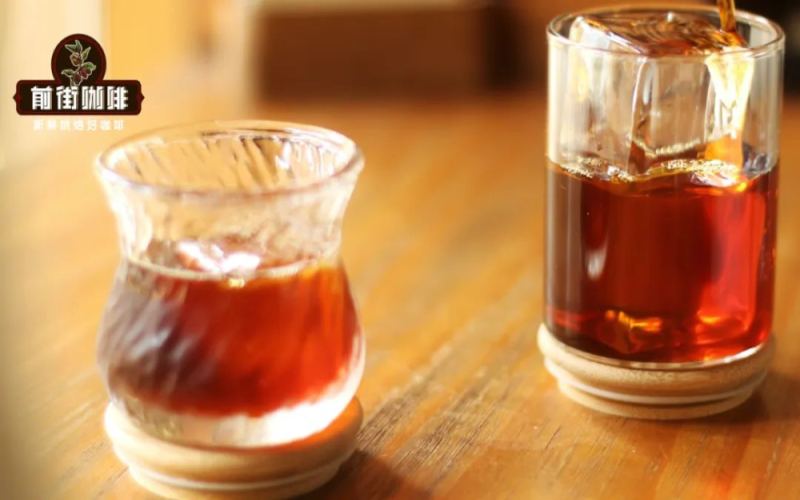
How to Make Delicious Japanese-Style Iced Coffee? Front Street Golden Mandheling Ice Brew Parameters and Complete Step-by-Step Guide
On a scorching summer day, a glass of iced coffee never fails to snap you awake. But many people run into the same problem when making iced coffee at home: the coffee turns out bitter and watery, with all the alluring caramel and nutty aromas diluted away by the ice. Is there a way to make iced coffee that is both refreshingly cold and retains the rich, mellow flavor characteristic of dark-roasted beans? A devoted fan of Front Street Coffee's Golden Mandheling shared his improved iced-brewing method, in which the key adjustments were the coffee-to-water-to-ice ratio and the pouring technique. The resulting black coffee not only has no trace of bitterness but also delivers notes of chocolate, maple syrup, and a creamy smoothness. Below is the complete set of parameters and step-by-step instructions—brew a pot and you'll discover the magic for yourself. [more…]
Summer Iced Coffee Guide: How to Make Cold Brew with Drip Bags and Specialty Bean Recommendations
In the heat of midsummer, a refreshing glass of iced coffee is a favorite for many coffee lovers. Front Street Coffee continues to share various methods for making iced coffee, and today is no exception. This article will detail how to make cold brew using drip bag coffee, including the materials needed, the coffee-to-water-to-ice ratio, the steps, and recommended specialty coffee beans. Whether you want to quickly enjoy a glass of iced coffee or prepare cold brew in advance, you can find a method that suits you. The article also specifically recommends Front Street Strawberry Candy drip bag coffee and explains practical tips for making cold brew with 3–5 drip bags, helping you easily make a full-flavored cold brew at home. [more…]
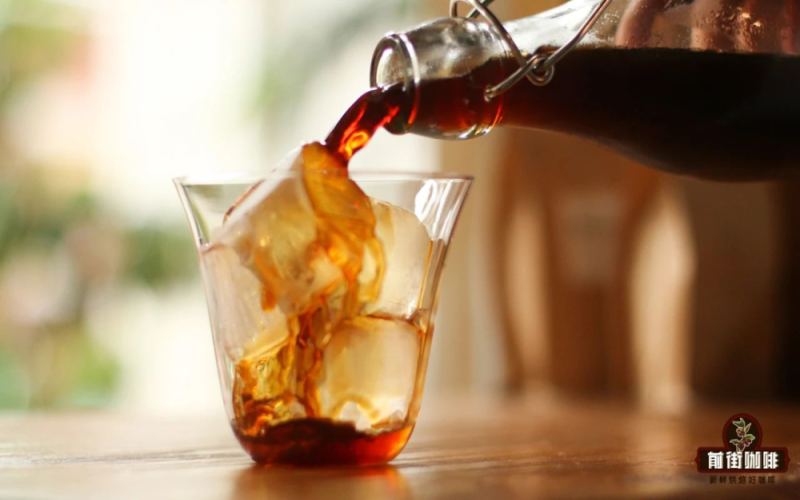
Ice Hand-Brewed Coffee: When to Add Ice? Before or After? And What Difference Does Passing Through Ice Make?
Although autumn has arrived, the summer heat lingers, and iced pour-over coffee remains a favorite for many enthusiasts. But should the ice be added before brewing or after? And once brewing is complete, should the unmelted ice be filtered out? These details directly affect the strength and flavor profile of the final cup. This article will start with bean selection, then use Front Street Coffee's brewing examples to analyze how adding ice at different stages affects the coffee's taste, and discuss the pros and cons of ice filtering, helping you consistently make a cup of iced pour-over that is both refreshing and rich, whether at home or in a café. [more…]
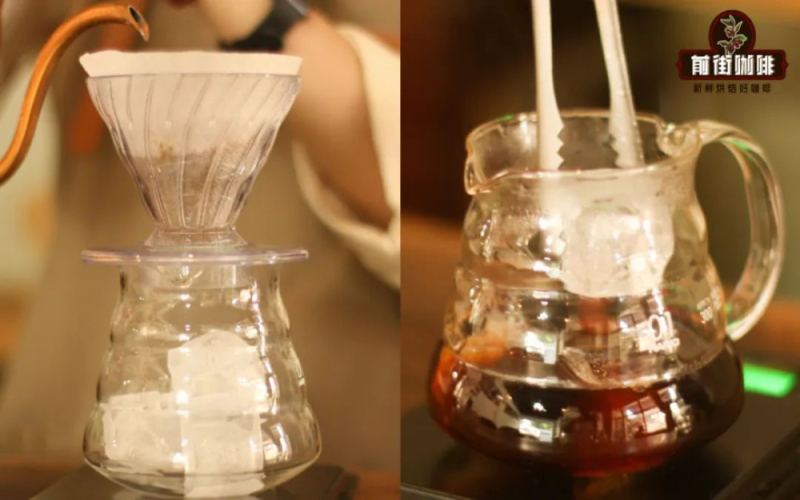
Iced Pour-Over Coffee Ice Timing Comparison Experiment: How Does Adding Ice First vs. Adding Ice Later Affect Flavor and Strength?
In the preparation of iced pour-over coffee, should the ice be placed into the server in advance, or added only after brewing is complete? This question appears to concern only the order of operations, yet it may affect the cooling speed of the coffee liquid, the retention of aroma, and the final concentration. Front Street Coffee used a washed Geisha from Colombia's Finca La Divisa as a sample, and by controlling the coffee-to-water-to-ice ratio, grind size, water temperature, and brewing technique, conducted a comparative tasting of the two methods—"ice first" and "ice after"—while recording temperature and flavor changes at different time points. The experiment attempted to answer: does the order of adding ice truly produce a perceivable difference, or is it merely an illusion caused by the time gap? [more…]
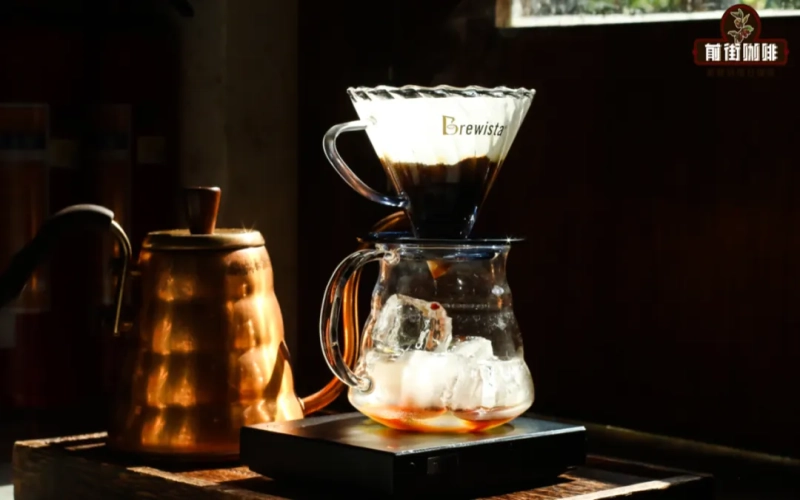
An Analysis of the Price Difference Between Iced and Hot Coffee, and the Complete Method for Japanese-Style Iced Pour-Over
Why is iced coffee often more expensive than hot coffee? Drawing on Front Street Coffee's production experience, this article sorts out two core questions about iced pour-over coffee: how to determine the coffee-to-water-to-ice ratio, and what difference adding ice first versus adding ice later makes. It also introduces the types of coffee beans suitable for making iced pour-over and gives Front Street's specific recommended products, including Yirgacheffe G1, Huakui, Cherry Tomato, Butterfly, Xizhua, and Strawberry Candy. The article also explains the need to adjust the grind size, as well as two alternative cooling methods—the over-ice method and the ice-bath cooling method—making it a useful reference for coffee enthusiasts to put into practice. [more…]
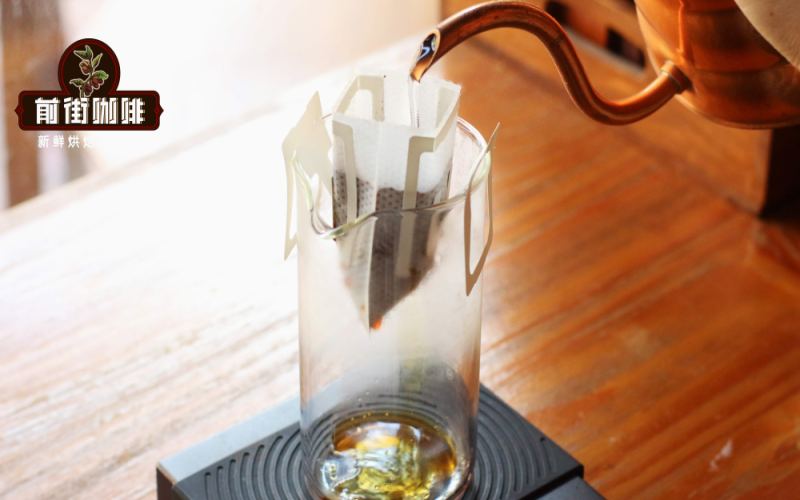
Can Drip Coffee Bags Make Iced Coffee Too? A Full Breakdown of Two Simple Methods: Drip and Cold Brew
As temperatures rise, the season for iced coffee quietly arrives. Want a delicious iced coffee without going out? Drip coffee bags can help you achieve that. This article starts with the basic concept of drip coffee bags, then breaks down in detail two methods for making iced drip coffee at home—the fast pour-over iced method and the slow immersion cold brew method—and includes specific coffee-to-water-to-ice ratios, water temperature adjustment tips, and step-by-step instructions. At the same time, Front Street Coffee also recommends a variety of flavored drip coffee bag products suitable for making iced coffee, so whether you prefer floral notes or rich fruity aromas, you can find your ideal choice. [more…]
Drip Bag Coffee Transformed into Iced Drink: A Detailed Guide to Two Simple Methods—Drip Filtering and Cold Brew
When the weather gets hot, if you want iced coffee but are too lazy to go out, drip bags are the most hassle-free choice. Essentially, they are a portable pour-over—pre-ground coffee sealed in a non-woven filter bag. The two paper ears replace the dripper; hang it on the rim of your cup and you can brew directly. This article focuses on two iced coffee approaches you can do at home: first, drawing on Japanese-style iced pour-over, by raising the water temperature, reducing the water volume, and adding ice cubes, you can quickly get a cup of iced drip bag coffee that is properly concentrated, refreshing, and not watered down; second, using cold brew steeping, mix the coffee grounds with room-temperature water in proportion, refrigerate overnight, and filter the next day. The article also gives specific coffee-to-water-to-ice ratios, brewing steps, and bean selection suggestions. Readers who like fruity acidity and floral notes or rich, full-bodied coffee can both find corresponding Front Street Coffee drip bag recommendations. [more…]

How to Make Cold Brew and Iced Pour-Over with Drip Bag Coffee? A Detailed Guide to Two Simple Iced Coffee Methods
In the height of summer, a glass of iced coffee always brings the most direct refreshing comfort. But not every coffee lover has professional pour-over equipment on hand—in fact, all you need is a single drip bag to easily make two distinctly different iced coffees: iced pour-over and cold brew. Starting from the actual brewing of Front Street drip bags, this article breaks down in detail the coffee-to-water-to-ice ratio, water temperature adjustments, and staged pouring technique for iced pour-over, as well as the coffee-to-water ratio, sealed refrigeration time, and filtering steps for cold brew, helping you enjoy a refreshingly cool cup of good coffee at home with the lowest possible barrier to entry. [more…]
Can Drip Bag Coffee Be Used for Cold Brew? Detailed Steps and Parameters for Making Simple Cold Brew Coffee at Home
In the heat of midsummer, a refreshing glass of cold brew coffee is a favorite for many coffee lovers. But what if you don't have professional cold brew equipment at home? Actually, you can also make a decent-tasting cold brew coffee using drip bag coffee. Through actual testing, Front Street Coffee found that although drip bag coffee has a fixed amount of grounds and an unadjustable grind size, you can optimize the extraction effect by adjusting the water temperature and increasing the amount of coffee grounds used. This article will explain in detail the specific method for making cold brew with drip bag coffee, including the ratio of coffee grounds to water and ice, the steeping time, and why it is recommended to use multiple drip bags at once. At the same time, the article also provides a practical demonstration using a strawberry candy-flavored drip bag to help you easily make a refreshing, heat-relieving cold brew coffee at home. [more…]
How to Make Cold Brew Coffee? A Complete Guide to Steps and Parameters from Equipment Preparation to Refrigerated Aging
In the previous article we talked about how to make cold brew coffee; this time let's raise the difficulty a bit and try our hand at making ice drip coffee. The ice drip process is more tedious than cold brew and takes more time and effort, but the cleanliness and layered complexity of the final cup are often worth the wait. The illustrated tutorial below starts with a list of equipment, then gradually explains the key details of the coffee-to-water-to-ice ratio, filter paper placement, pre-wetting the coffee grounds, setting the drip rate, and refrigerated maturation, and also includes bean recommendations suitable for ice drip. You can adjust flexibly according to your own equipment and taste preferences to make a pot of ice drip that is yours alone. [more…]
Pour-Over Coffee Tasting | Why Not Add Ice Directly to Hot Pour-Over Coffee? How to Adjust Brewing Parameters for Iced Pour-Over?
Many friends, when ordering pour-over coffee in a café, will prioritize the hot brew method, because as everyone knows, if we want to experience a relatively complete flavor profile in pour-over coffee, then hot brewing is absolutely the best choice. But when the weather is too hot, we always find it hard to [more…]

The Complete Guide to Making Cold Brew Coffee: Detailed Steps from Bean Selection to Refrigerated Fermentation and Front Street Flavor Recommendations
Cold brew coffee, with its refreshing taste and rich layers of flavor, has become a favorite among many coffee lovers. To make a delicious cold brew, every step is crucial, from choosing the coffee beans to controlling the drip rate. This article starts with the principles of bean selection and, combined with recommendations for several Front Street Coffee beans, explains in detail the process of making cold brew coffee, including the ratio of coffee grounds to water to ice, techniques for using filter paper, drip rate control, and the refrigeration and fermentation time required. Whether you are a beginner just getting into cold brew or an advanced brewer looking to improve your output quality, you will find practical guidance in this guide. [more…]
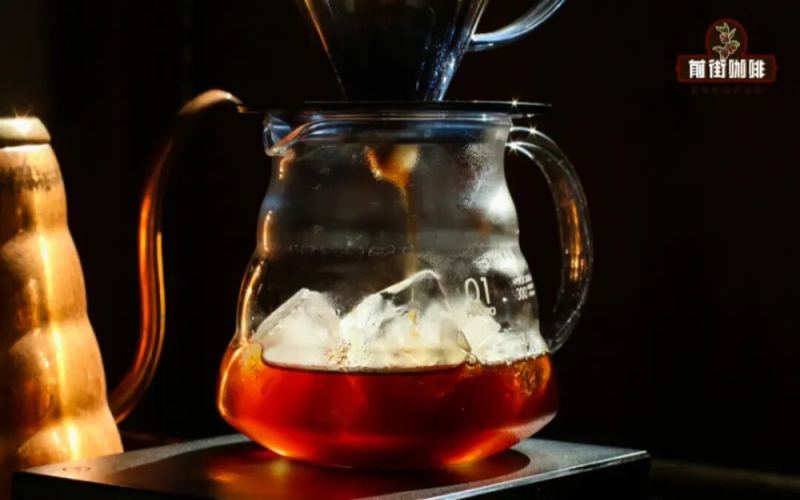
Secrets to Making Iced Pour-Over Coffee: A Comprehensive Guide to Water Temperature, Coffee-to-Ice Ratio, Grind Size, and Pouring Techniques
On a hot summer day, a glass of iced pour-over coffee brings a refreshing treat. But many people end up with an iced pour-over that tastes weak and lacks aroma. So how exactly do you make an iced pour-over with full, rich flavor? This article lays out four key techniques—from the coffee-to-water-to-ice ratio and grind size adjustments to pouring technique and ice selection—to help you avoid common pitfalls. Drawing on everyday brewing experience, Front Street Coffee offers specific parameter recommendations and a universal formula, so whether you're a beginner or an advanced enthusiast, you'll find a practical reference plan that makes iced pour-over more than just hot pour-over with ice added. [more…]
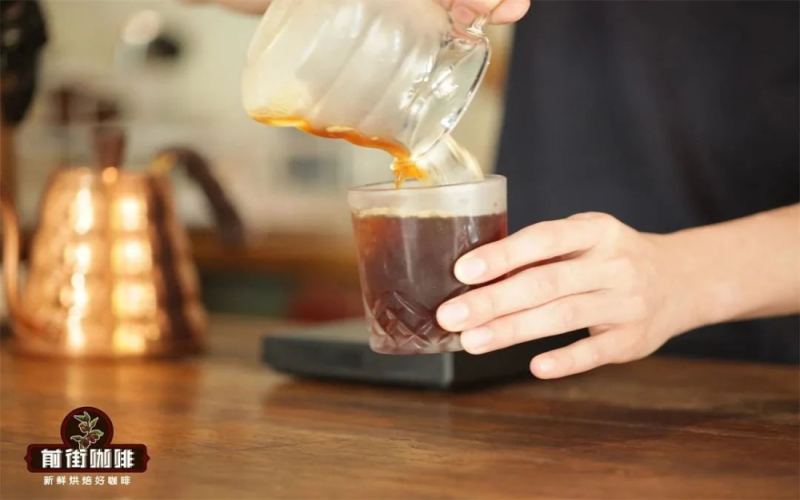
Iced Pour-Over Coffee Parameters Explained: A Complete Guide to Coffee-Water-Ice Ratios, Grind Adjustment, and Pouring Rhythm
The biggest difference between iced pour-over and regular hot pour-over is the introduction of ice as a variable. Ice does not participate in the extraction, so it is necessary to rebalance the grind size, coffee-to-water ratio, and pouring technique. Through brewing practice with multiple beans, Front Street Coffee has summarized an easy-to-control approach of a 1:10–1:12 coffee-to-water ratio and a 1:5 coffee-to-ice ratio. Taking 15 grams of coffee as an example, that means 150 grams of water and 75 grams of ice. The grind size needs to be adjusted finer to compensate for the shortened extraction time. When pouring, reduce the flow rate and increase the number of pours, keeping the total time between 1 minute 40 seconds and 1 minute 50 seconds. In terms of bean selection, light-to-medium roasted flavor-focused coffees better showcase the refreshing quality of iced brewing, while dark-roasted beans tend to produce a thinner mouthfeel and reduced balance. [more…]

Summer Iced Pour-Over Coffee Brewing Guide: From the Universal Formula to a Detailed Explanation of the One-Pour Simple Method
On a scorching summer day, a refreshing glass of iced pour-over coffee is undoubtedly the best choice for cooling off and refreshing yourself. Compared with cold brew and iced drip, iced pour-over is quick to make and requires no special equipment, making it a favorite among many coffee lovers. Starting from the universal formula for iced pour-over, this article explains in detail the coffee-to-water-to-ice ratio, grind size adjustments, and the three-stage pouring technique, and uses Tanzania Kilimanjaro as an example to demonstrate the complete brewing process. It also introduces the "one-pour iced pour-over" developed by Tetsu Kasuya, which eliminates cumbersome techniques and uses the Mugen infinite cross-star dripper with 20 grams of Panama Abu Estate sun-dried Caturra to easily obtain a smooth, sweet-finish iced coffee. Whether you are a beginner or a seasoned enthusiast, you can find a summer iced coffee solution that suits you. [more…]
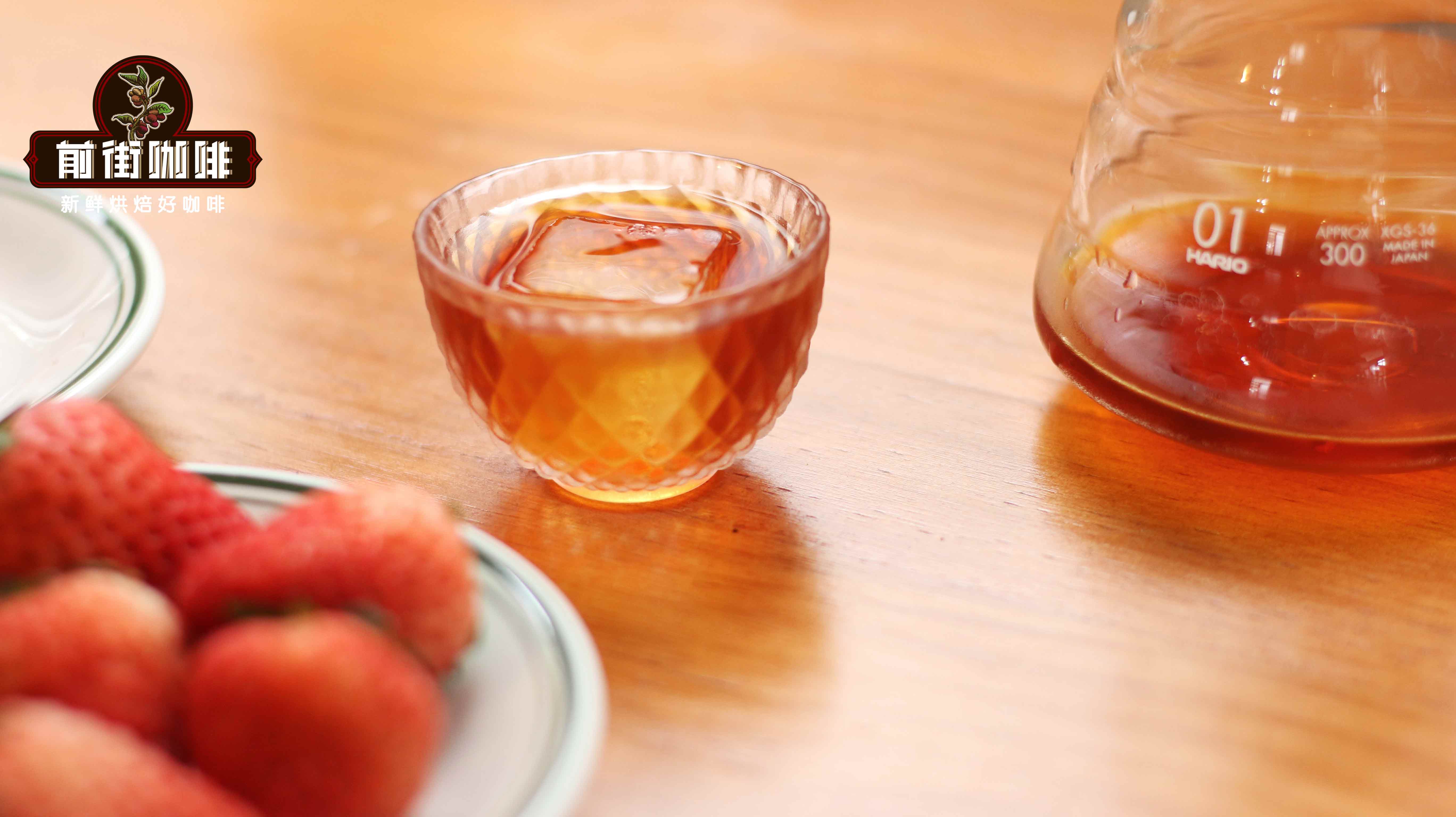
Drip Bag Coffee Can Also Make Iced Drinks: A Detailed Guide to Simple Home Brewing Parameters for Hand-Poured Iced Coffee and Cold Brew Coffee
On a scorching summer day, a glass of iced coffee always brings a refreshing, invigorating coolness. But for coffee lovers without professional equipment, is it still possible to easily make delicious iced coffee? The answer is yes. This article will use the most convenient drip bag coffee as a starting point to explain in detail two home methods for making iced coffee—iced pour-over coffee and cold brew coffee. From bean selection and parameter adjustment to specific operating steps, Front Street will break down the key points one by one, including core parameters such as water temperature, coffee-to-water-to-ice ratio, and grind size, as well as how to compensate for the limitation that drip bag coffee cannot adjust grind size by changing the brewing strategy. Whether you want to quickly get a refreshing glass of iced pour-over or are willing to spend time waiting for a pot of rich cold brew, you can find practical operating guidance in this article. [more…]